fundamental designs

Search
Talkshowhost (De Stemming)

Explained: The Argument

In this explainer you will read more the story "The Argument”.

Haven't read this yet? Read it first here.

The Argument is a story about a debate that gets completely out of hand. As the characters' biases reinforce each other, a snowball effect of fuss and outrage develops. This causes an (important) political decision to be taken based on systematic thinking errors. 

This explainer digs deeper into the story. It will cover the following topics:

1

The fundamental topic of the story: bias

2

An explanation of the different biases of the characters

3

An explanation of the characters' names
Explained: The Argument

In this explainer you will read more the story "The Argument”.

Haven't read this yet? Read it first here.

The Argument is a story about a debate that gets completely out of hand. As the characters' biases reinforce each other, a snowball effect of fuss and outrage develops. This causes an (important) political decision to be taken based on systematic thinking errors. 

This explainer digs deeper into the story. It will cover the following topics:

1

The fundamental topic of the story: bias

2

An explanation of the different biases of the characters

3

An explanation of the characters' names

Talkshowhost (De Stemming)

Fundamentele onderwerp: vooroordelen

In ‘The Argument’ every character at the center of the chapters suffers (strongly) from a bias. As a result, the politicians do not look clearly at the situation at stake. Some of the supporting characters point out these thinking errors, but the characters consistently fall into the same trap. The characters' biases are all different, but as they have a reinforcing effect in this story, they create a perfect storm. Despite (some) reflection at the end, it remains to be seen whether things will be different next time. 

The characters' biases occur frequently in our daily lives. The characters' ways of thinking can be recognized, to a lesser or greater degree, in many real-life situations. They are daily relevant and thus a fundamental topic. It is relevant to recognize biases in our own behavior, as they can have (unintended) negative effects.

The characters lean heavily on one specific bias. In reality, we suffer from multiple biases, some stronger than others. By magnifying both the strength and consequences of biases in the story, you experience what impact biases can potentially have.

Pointing out biases is uncomfortable. It is not pleasant when someone names our thinking errors, no matter how justified that observation is. Therefore, this story has a humorous and absurdist character. The intention is not to make the encounter with biases too difficult, as it is a given that we will all have to deal with them. 

The characters' biases occur frequently in our daily lives

Vooroordelen van de personages

Each main character suffers from a specific bias. In the table below, you can see which bias this is and how they manifest in the story.

The important thing to note here is that the Prime Minister is often right. The reader may doubt who is telling the truth due to the lack of other perspectives, but it is intended that the prime minister is mostly right. However, as the table indicates, the prime minister also has her own pitfall.

Character

Bias

Examples in the story

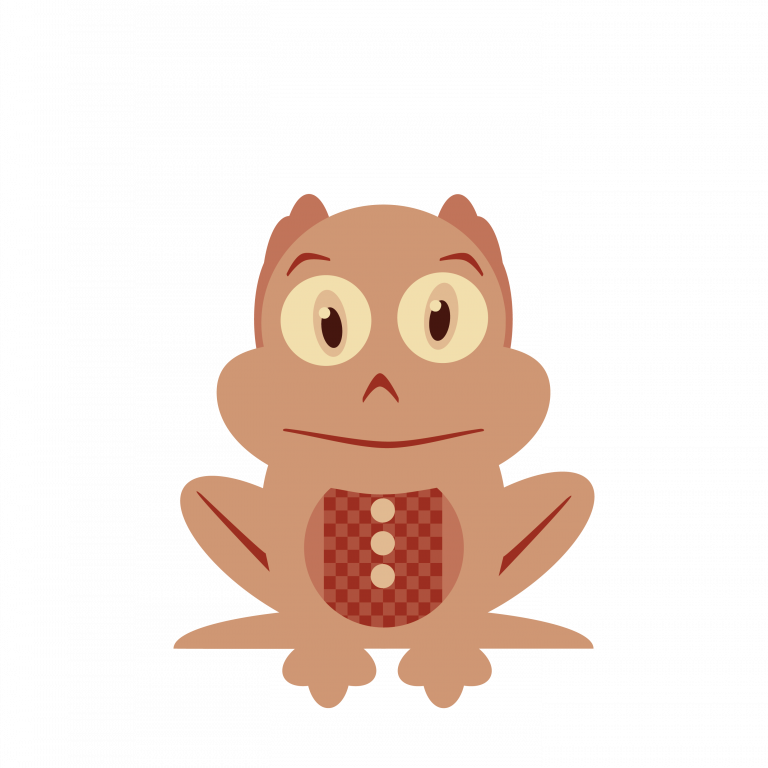
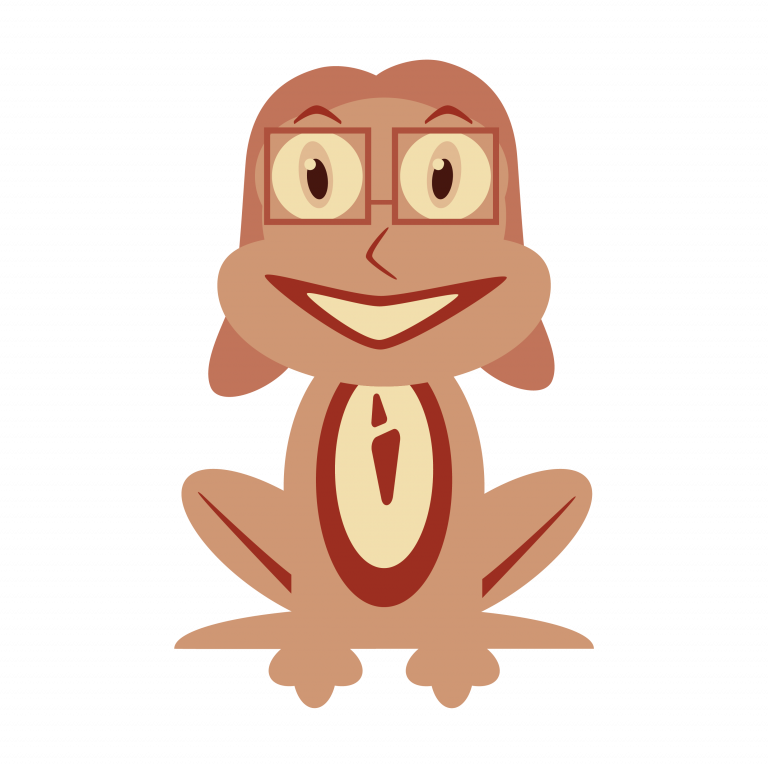
Alytes

Anchoring bias

Explanation

Relying heavily on the first information you hear when making a judgement. This reference, or anchor, weighs more strongly than new information you receive later.

Alytes mentions it at the start: she has seen in the newspaper that 20,000 frogs and toads have escaped. This number makes the escape a major disaster. This (early) number was just wrong and the amount of frogs and toads escaping is smaller. By not looking at new information, Alytes creates a false judgment about the severity of the disaster.

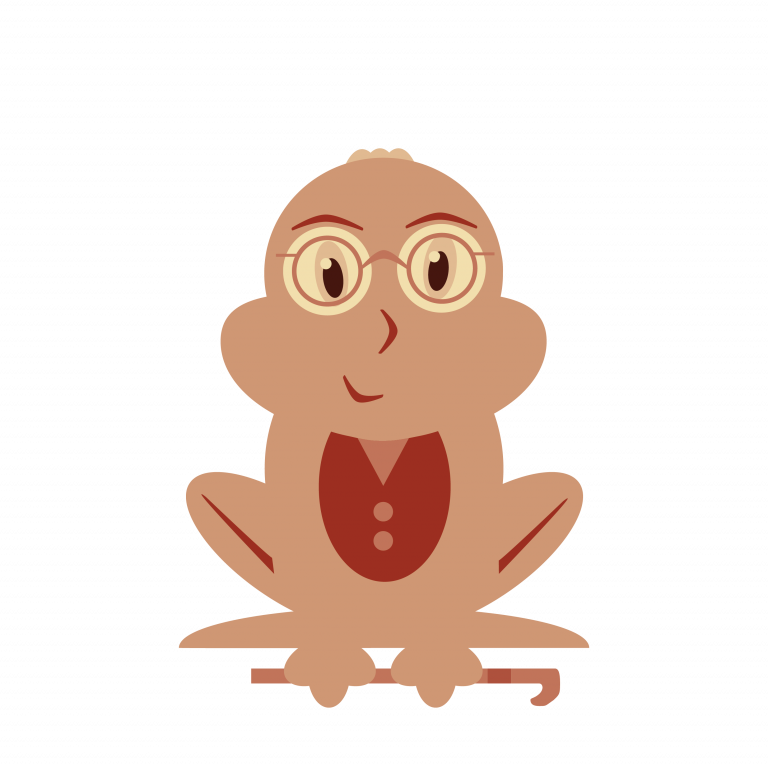
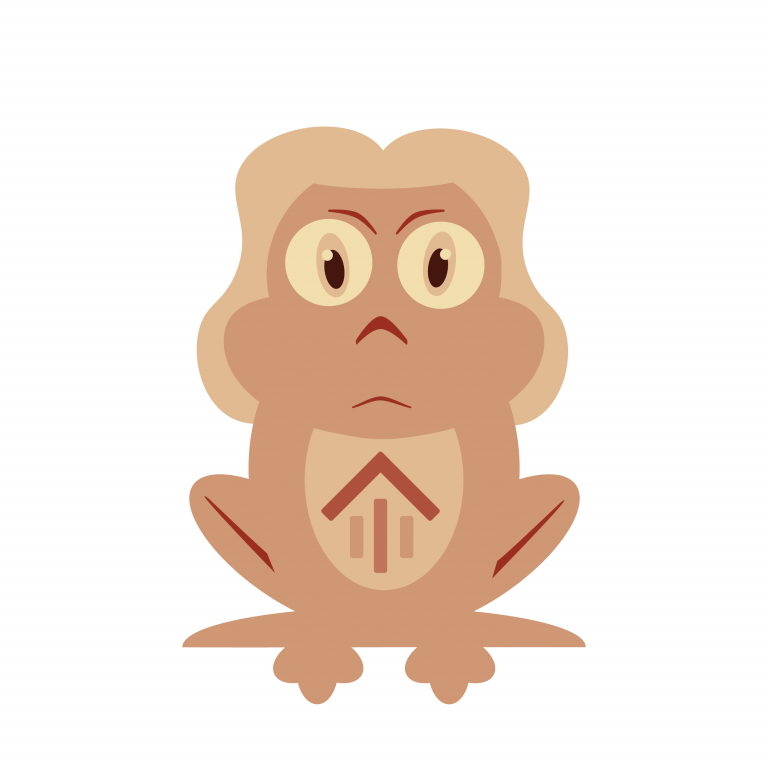
Tree

Hindsight bias

Explanation

Having the feeling that past events were more predictable than they actually are. You feel like you knew it was going to happen all along.

Tree says he predicted the escape. By introducing new legislation, he wanted to prevent it. However, this wouldn't have helped because there was a new situation. The proposed measures could have helped prevent a repeat of previous escapes, but not this one. Tree sees a pattern, while this is not there.

Natterjack

Misinformation effect

Explanation

The tendency to let post-event information influence the memory of an event. This creates an incorrect image of the event in your memory.

In the debate, it becomes clear that the prime minister had not shared publicly that there was overdue maintenance. Natterjack finds it incomprehensible that he did not hear this when they discussed the escape during their coalition talks. However, this discussion did not take place at all. Questions from the press afterwards caused confusion in his memory. The prime minister did not purposely withhold information from Natterjack, but did not share it because she did not think it was important.

Garlic

Availability heuristic

Beschikbaarheids-heuristiek

Explanation

The effect that if you can remember something (quickly), it weighs more heavily in your decision-making. However, these thoughts are not (always) more relevant than things you can't remember, which causes you to make a wrong decision.

Fresh in Garlic's mind is the news of the state of emergency in the neighboring country. Combined with the Prime Minister's actions earlier, he files a no-confidence resolution. However, the state of emergency abroad says nothing about the case here. In fact, it is a different situation and not a sign. Garlic is making a misjudgment.

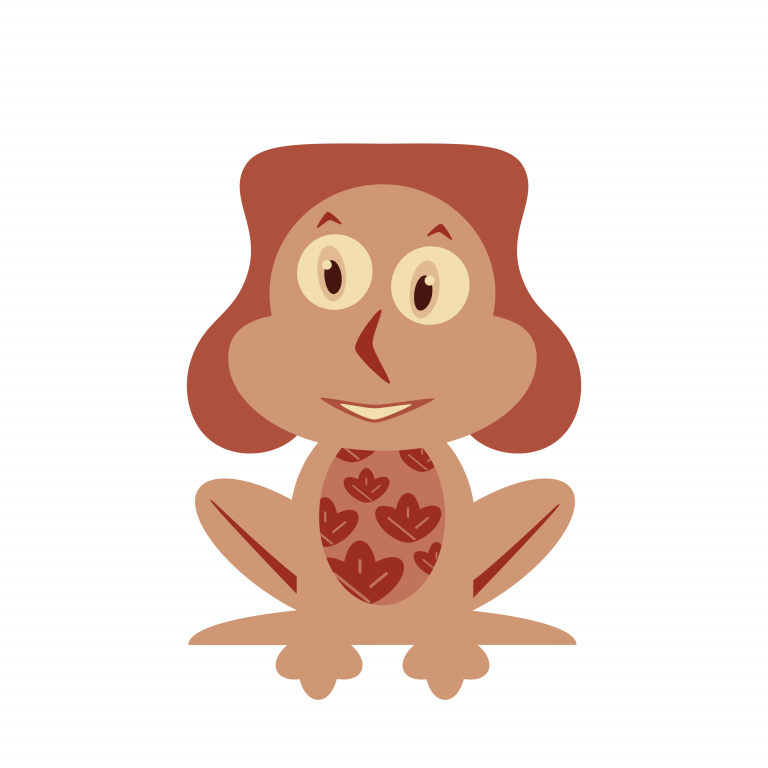
Marsh

Optimism bias

Explanation

The unjustified feeling that your chances of experiencing negative things are lower than for others. This makes you think you are less likely to suffer than is realistically true.

Marsh sees no reason why the debate will end badly for her. She refutes all her opponents' arguments with correct information. However, she is thinking too positively, because she does not take into account a vote that goes wrong. In the end, she has to leave as prime minister, due to an error by Chairman Agile.

Agile

Dunning-Kruger effect

Explanation

You think you are smarter than you actually are. You do not possess the self-awareness to see your own incompetence.

The special voting method Agile has devised does not work as well as he thinks. A whole book of rules has been devised, but the reality shows that they don’t work. As a result, the counting goes wrong and Agile validates an incorrect result. The assistant still tries to point out the mistakes he is making, but Agile ignores any cue to reflect on his actions.

Edible

Confirmation bias

(Engels: confirmation bias)

Favoring information that confirms your own opinion. You give less attention or value to information that claims otherwise.

Edible already finds the prime minister incompetent before the debate. When the crisis hits, Edible only sees confirmation of Marsh's incompetence in her arguments. Counter arguments made by the prime minister and the talk show host make no difference herein.

When it comes to Chairman Agile, who is from the same party, the opposite happens. He is competent in the eyes of Edible and remains so after the wrong voting procedure.

Moor

Self-serving bias

Explanation

The tendency to blame others when something goes wrong and claim success yourself when something goes right. You are trying to protect your self-esteem with this.

In the final debate, Moor blames old policies for the new incident. She feels that she did everything possible to prevent it, but that the old policies had too great an influence on this new incident. As a result, in her view, it could not have been prevented.

The biases mentioned in the overview above are intentionally incorporated into the story. It is quite possible that you will read other meanings into the story. This may be due to recent news or a particular view of politics, for example. Your experiences are relevant to the interpretation of the story, even though they may not be intended that way. You can also see this as a type of bias: how you view the world will determine how you read this story. 

Do you know all the biases?

[ld_quiz quiz_id="5129"]

Namen van de personages

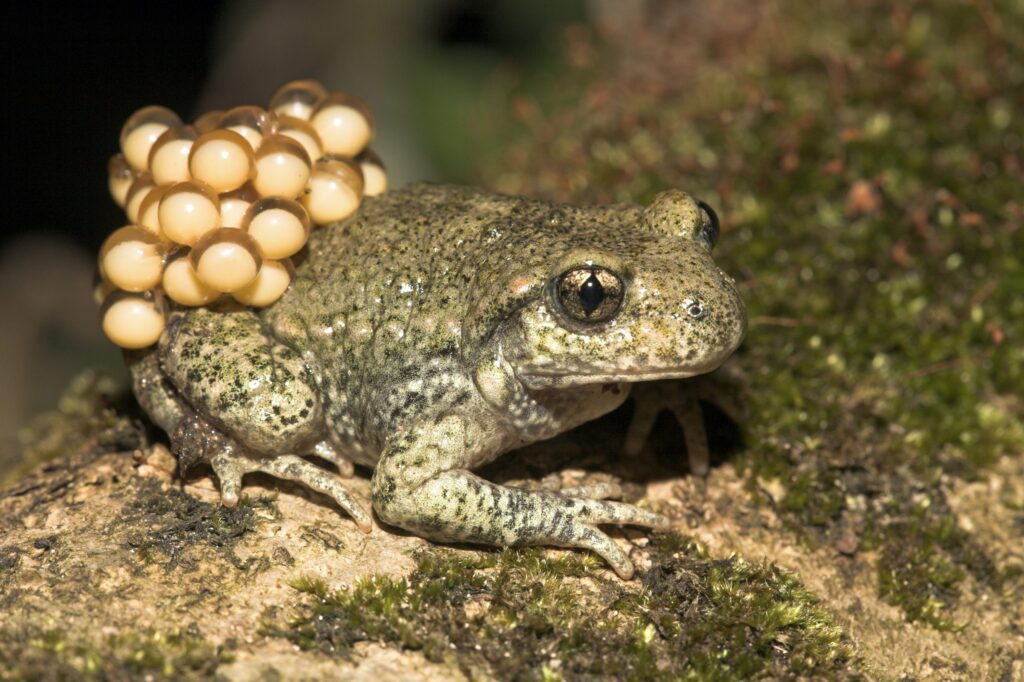
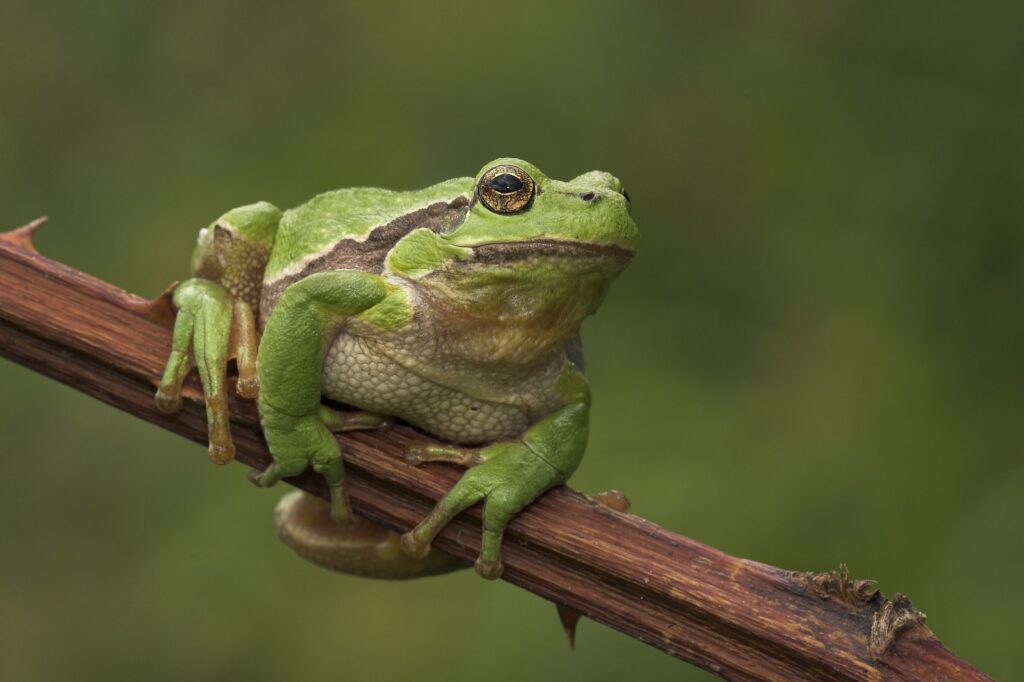
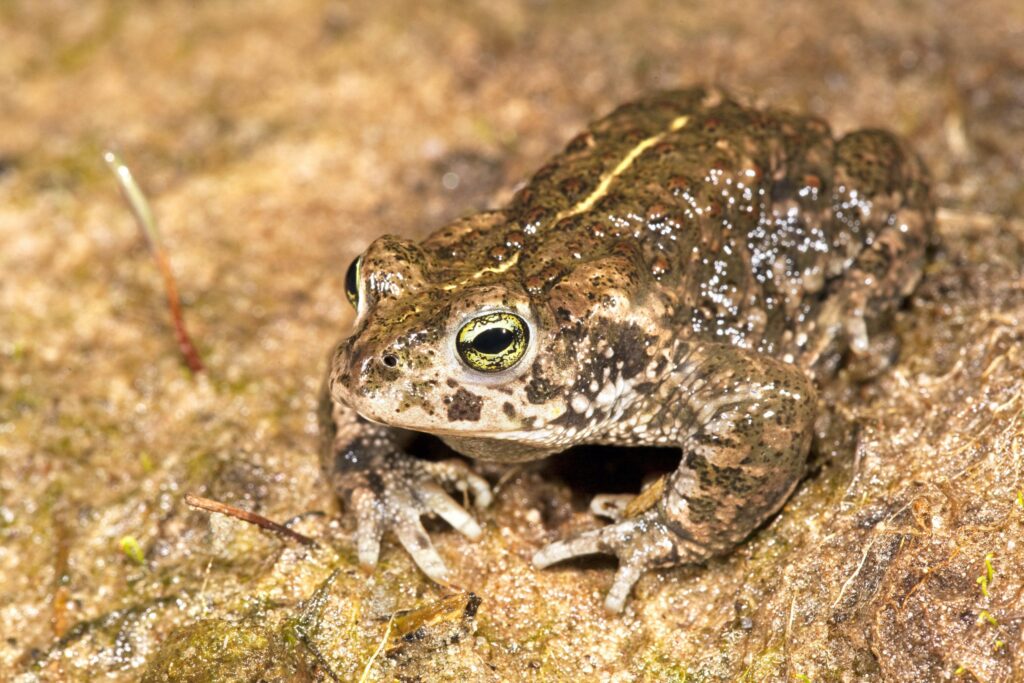
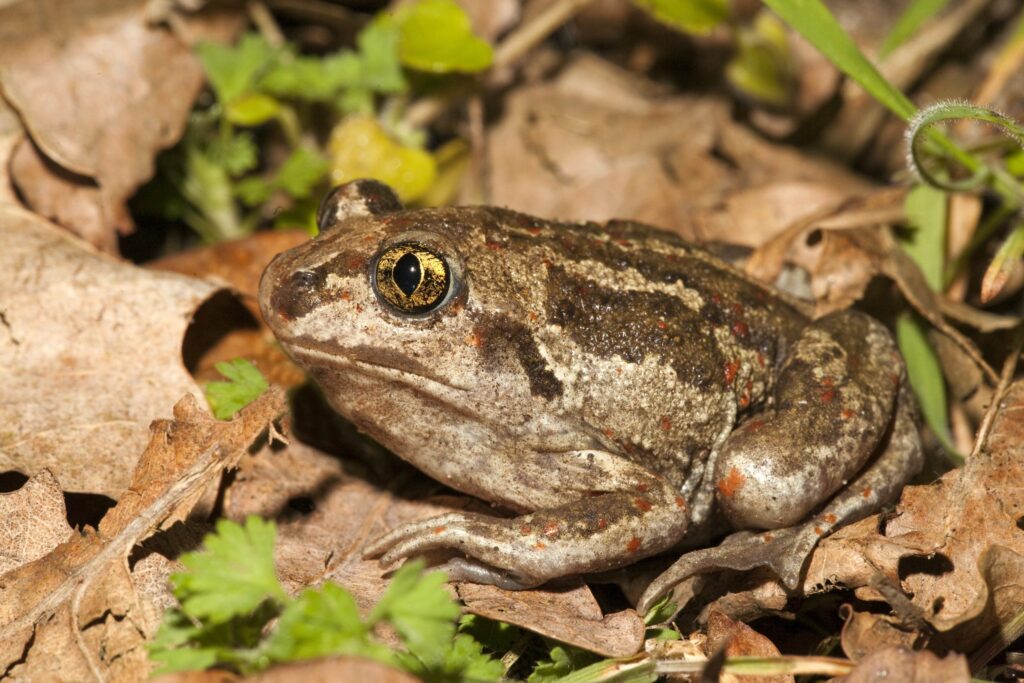
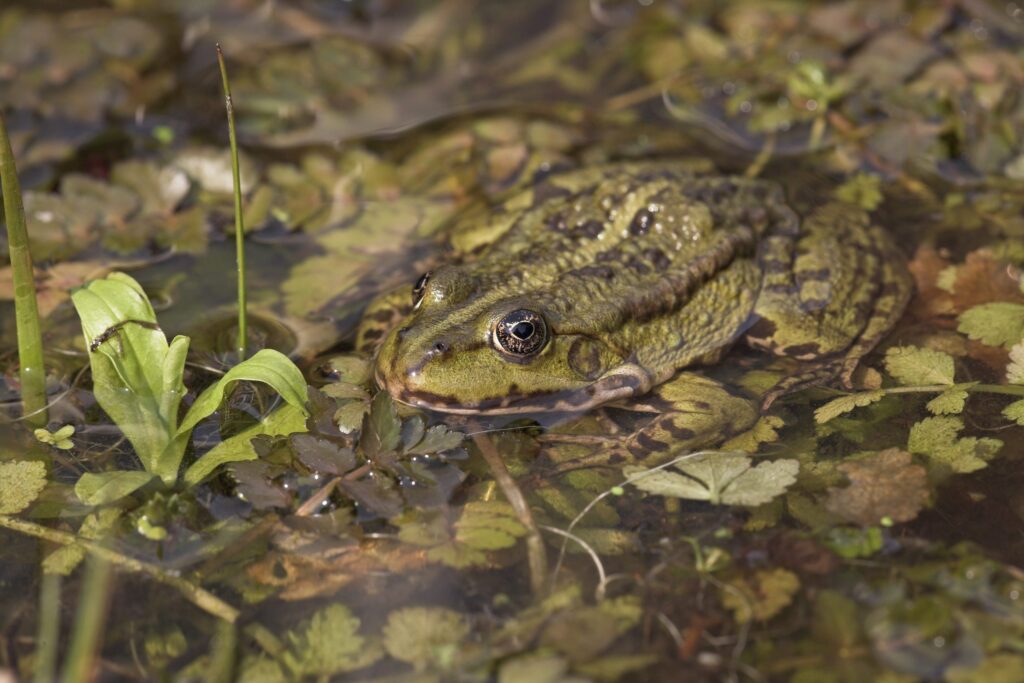
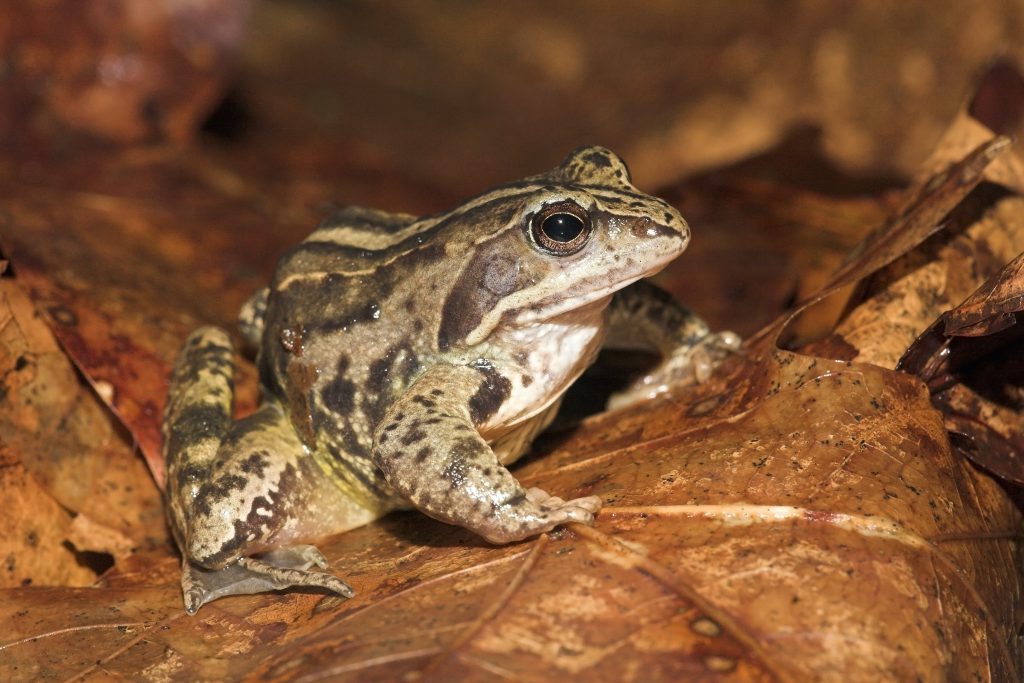
De namen van de personages zijn niet willekeurig. Deze verwijzen naar een type pad of kikker aanwezig in Nederland. In de onderstaande tabel is te zien welke dit zijn, samen met een foto en informatie over het daadwerkelijke dier. Beiden zijn gebaseerd op informatie van de website van het naturalis biodiversity center en de foto’s zijn gemaakt door Jelger Herder en Raymond Creemers.

Character

Appearance

Characteristics

Alytes

Vroedmeesterpad

A small toad originally found only in southern Limburg. The males carry ovipositor eggs, as visible in the photo. The toads can be found in small waters near forests.

Tree

Boomkikker

A frog who is active during both day and night. It moves through climbing and has suction cups on its toes. These frogs are found in areas with lots of swamps and pools.

Natterjack

Rugstreeppad

A toad recognizable by a narrow, yellow back stripe. It is lighter colored on the belly and has short legs. They are active in dynamic environments created by human activities.

Garlic

Knoflookpad

A toad with a distinctive burrowing lump on its hind leg. It also has a brown arrow on its back. They are found in sandy soils.

Marsh

Meerkikker

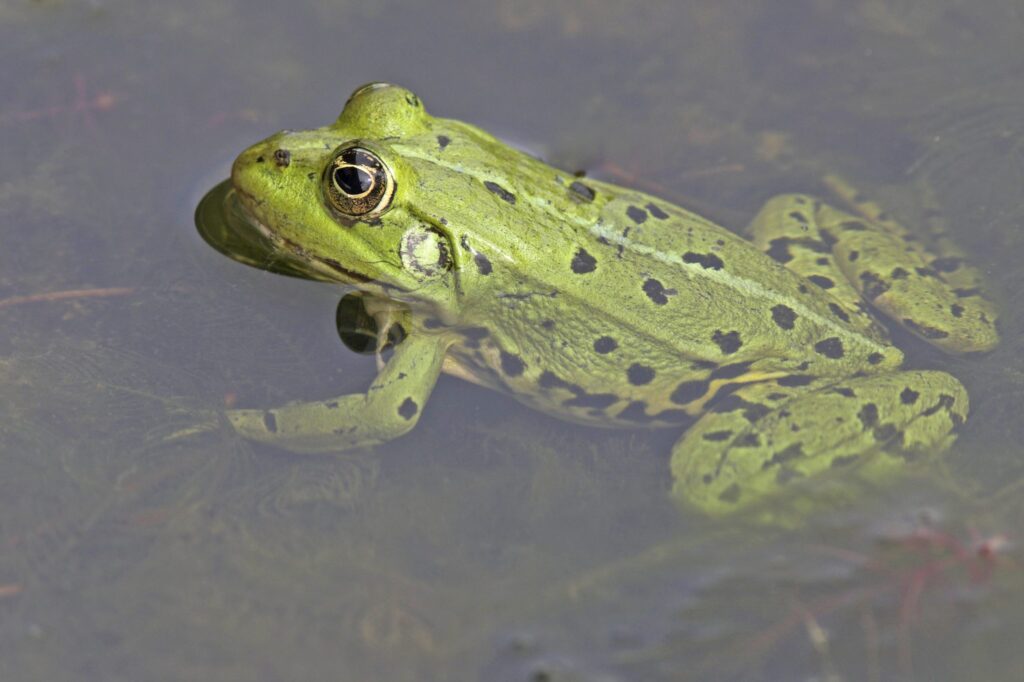
The largest green frog with a warty skin. It has long hind legs and gray croaking bladders. The habitat of these frogs are nutrient-rich waters and some small ditches.

Agile

Springkikker

A slender frog with a light color. It has a pointed snout and long hind legs. The frog is limited active in the Netherlands, but thrives in an environment of forest and water bodies.

Edible

Bastaardkikker

A frog with a greenish-brown color. It is recognizable by a light back stripe and long hind legs. The frogs live in almost all of the Netherlands and prefer unshaded waters.

Moor

Heikikker

A small frog with a large burrowing knob. It often has a brown stripe on its back. The frogs like to live in bogs and heaths with nutrient-poor fens.

Tree, in chapter 2, lists a number of places where escapes occured. If you take the first letters of all the places, the word accidental forms. This is a nod to De Boom's preconception that he did see the escape coming, whereas it is a loose collection of several incidents.


Assen Coevorden


Culemborg IJsseltein


Delft Edam


Naarden Terneuzen


Amelo Landgraaf


accidental

Ready for a deep dive?

In this explainer, you read how 'The Argument' is based on biases. This fundamental topic strongly influences the characters' expressions and thus the outcome of the story. All the main characters suffer from it, but (almost) none of them is able to see it.      

Perhaps you have become curious about the impact of biases on your life. This story is fiction, but biases do affect our daily lives. There is much more to learn about this topic, such as how biases are made and how to deal with them. 

Want to discover more? Start learning in the Deep Dive on Bias. 

Shopping cart
Shopping cart is empty

Deel het met anderen