Doubt is not a pleasant condition but certainty is an absurd one.
A quote from philosopher Voltair, as seen in 'The Undoing Project' from Michael Lewis
System 1 often works great, but not always. System 2 can solve incredibly difficult things, but is not very active. Biases will continue to be there due to the interaction between System 1 and 2, this is inevitable. We will have to learn to live with these systematic thinking errors.
Knowing that a bias exists is insufficient to always prevent it. You don't know in which situations System 1 uses a wrong rule of thumb and System 2 needs to intervene: it requires awareness on the spot and training to recognize it. There may also be underlying causes why you don't intervene, such as motivated reasoning and a soldier mindset.
One question this deep dive didn't answer is how to deal with biases in situations that are both important and simple. We have discussed making important and complex decisions that have a big impact on your life, but sometimes simple decisions are important too. For example, consider the first impression you have of someone and how you react to it. This is a relevant but also complex issue, in which the mental model of System 1 plays an important role. We have chosen to only focus on decisions that are both important and complex, because there are practical methods that you can apply on a daily basis to make better decisions.
There are also plenty of things we don't know about biases. For example, we're left in the dark about which factors are dominant in the formation of the mental model of System 1. Also, not every bias leans on equally strong evidence or may not even exist (see, for example, this analysis of the dunning-kruger effect). Bias is an intuitive, and also proven, concept, but exactly how much influence it has on our daily lives remains a mystery.
There are probably errors in this deep dive due to bias. let us know. Kahneman himself was troubled by this: ten years after the book was published, he admitted that he relied too much on substandard research for a few sections in his book. This research used test groups that were too small to draw big conclusions. This is also ironic, in Kahneman's own words, because he had also published work with Tversky precisely on the (too) high reliance on small numbers.
Biases require us to be modest in our abilities. We are not animals who always flawlessly weigh pros and cons. We are not irrational, but we don't work perfectly all the time. Let's try to embrace our limitations.
It is useful to (actively) counteract biases when making important decisions because they often have major consequences for yourself and others. the argument shows how biases can have disastrous consequences when making complex decisions: this is a situation we don't want to end up in. To avoid this, apply the following:
o
You have been introduced to some biases. If you notice that these occur, pause. A short delay can already help System 2 become active and recognize errors from System 1. Try to recognize when and which biases occur frequently in your life.
o
Recognize when a situation calls for a complex decision. Systematically proceed with the steps and methods you have learned. Try to rely less on your intuition while mapping and predicting the future, but use your System 2 for this purpose.
In addition, make others aware of the systematic mistakes we all make. Try to laugh about it, together, when biases occur in unimportant situations. Create products and services that share knowledge about biases with a wider audience.
This deep dive is mainly based on two books:
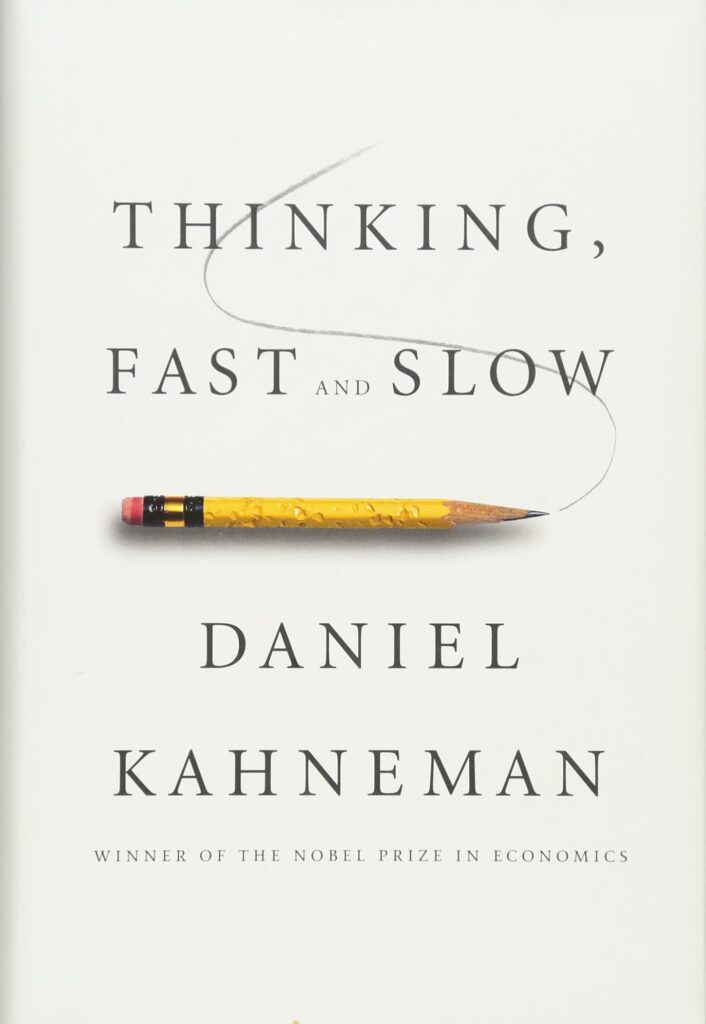
The insights on how System 1 and 2 work come primarily from the work of Daniel Kahneman. thinking, fast and slow is based on the multi-year psychological research he conducted with Amos Tversky. It has sold more than 2.6 million copies and in doing so has given many of us an insight into how our brain works.
The steps and methods are based on the book farsighted by Steven Johnson. In it, several cases of complex decisions are discussed, the most prominent being the operation to capture Bin Laden.
These books are not directly related to each other, but were brought together for this deep dive, due to the important relationship between what happens in your brain with System 1 and 2 and the effect it has on important decisions.
It is well worth the effort to read Kahneman's and Johnson's books for yourself. This always provides more insights than this deep dive can provide.
There are many other resources you can use to continue learning about biases and decision-making. Here are two suggestions for other books to read.
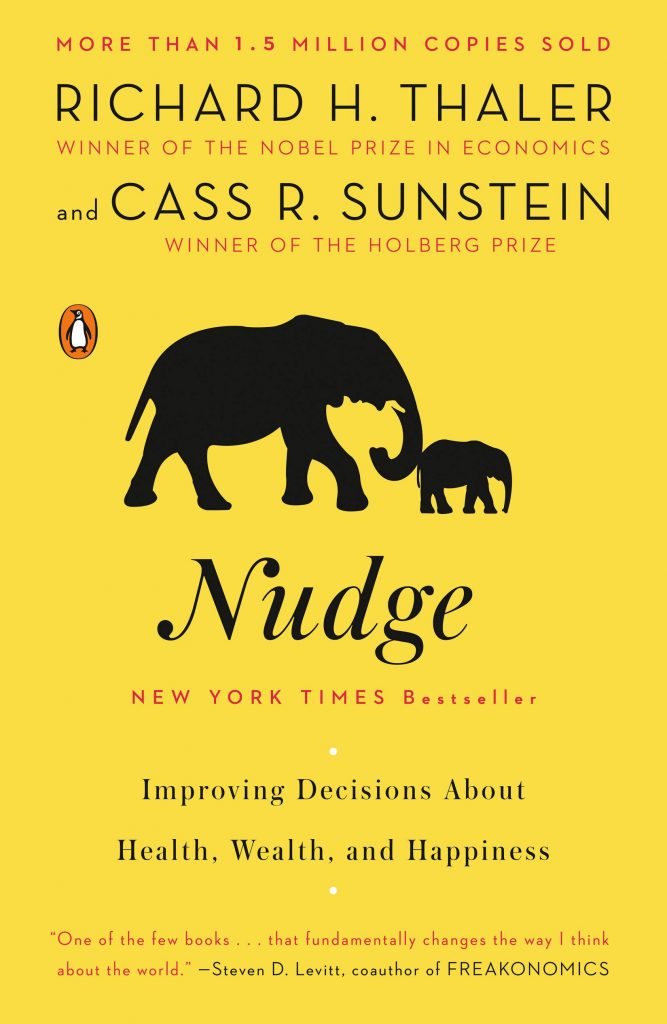
Richard Thaler, Nobel Prize winner in economics, and Cass Sunstein, build on the research of Kahneman and Tversky with nudge. The book focuses on framing decision-making so that people make predictable choices, without eliminating options. By making small adjustments in how choices are presented, large (social) benefits can be achieved.
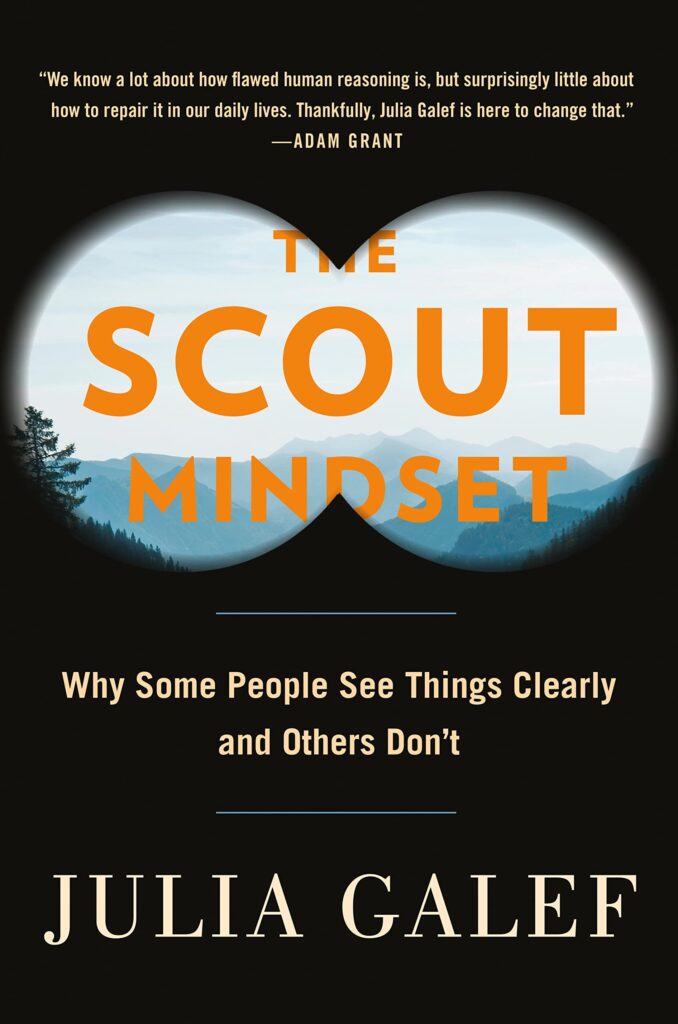
the scout mindset is not about what to think, but how to think. This book focuses on two perspectives: the soldier mindsetby which we continue to defend ideas we believe in, and the scout mindset, a collection of skills and habits to look at the world better and smarter.
In addition to books, podcasts are also a good source for new knowledge and interesting stories. Hereby also two suggestions.

invisibilia is about how unseeable forces influence our behavior and ideas. Each season has a specific theme, for example friendship or insecurity, which it covers from different angles. It combines scientific insights with personal stories.
In you are not so smart , David McRaney delves into the fascinating fact of how unaware we are of our unconscious. In various episodes, human thinking and motivation are examined, in a cheerful way.
We hope this deep dive has helped in understanding more about biases and decision-making. To make the deep dives better for everyone, we like to receive feedback. Please fill in the form below (anonymously) and share what, for you, are the positive elements and areas for improvement.
Reviews make it clear to new people whether this deep dive is for them. Write a public review below that we can post on our website.
If you have come across something in this deep dive that was incorrect, let us know via contact@solfem.nl. Through this, we can make the deep dive better for everyone.